

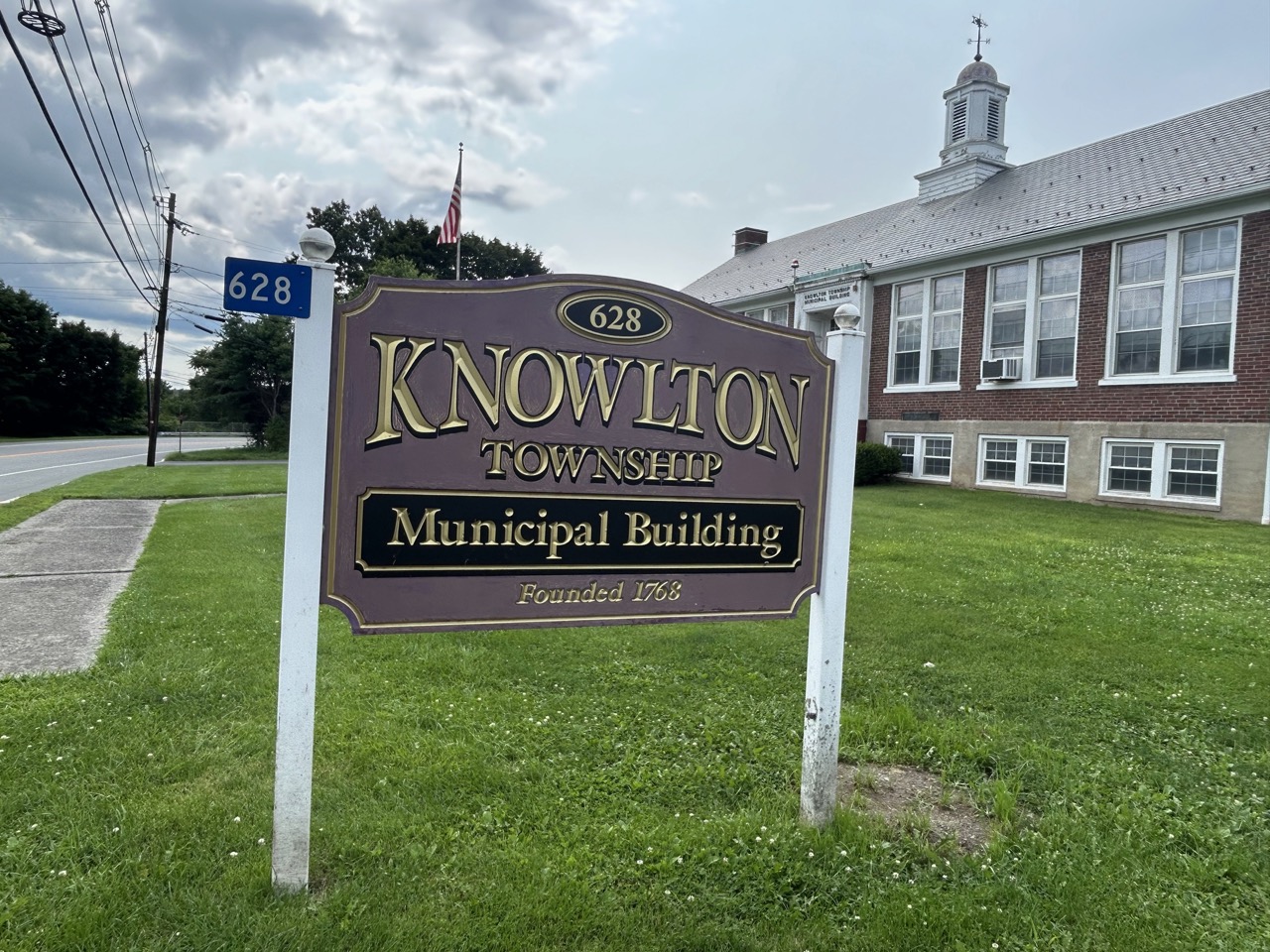
The name Knowlton will be joining the pantheon of public buildings in Washington, D.C., named after notable government and patriotic figures.
That’s not to say that Knowlton Township in New Jersey is joining the Washington Monument and Lincoln Memorial in reverent commemoration of historical people and events. It’s not.
What it does mean is that Knowlton the town and what is now the Thomas Knowlton Leadership Hall will share the same source material.
Some background: The U.S. Department of Defense announced this week that it will rename what had been the Clapper Leadership Hall, a military auditorium at the Defense Intelligence Agency at Joint Base Anacostia-Bolling, to the Knowlton Leadership Hall.
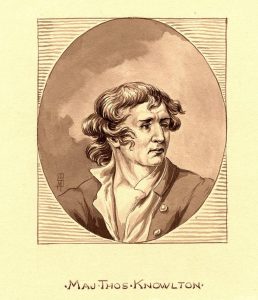
James Clapper was the director of national intelligence under President Barack Obama. Thomas Knowlton was a Continental Army officer widely regarded as America’s first Intelligence professional, and his unit, Knowlton’s Rangers, gathered intelligence during the early Revolutionary War.
Clapper has been very critical of President Donald Trump’s handling of national intelligence and defense. Knowlton died in 1776, so he probably had no opinions about Donald Trump.
That should explain the renaming.
Thomas Knowlton was born in Massachusetts in 1740. He enlisted to fight in the French and Indian War, where he learned intelligence-gathering skills by infiltrating enemy territories and returning with crucial information on opposing armies. He retired from the military at the age of 22 to raise a family.
He was called back into service during the Revolutionary War. While scouting in advance of Gen. George Washinton’s army during the Battle of Harlem Heights, Col. Knowlton’s unit engaged with British troops. He died by enemy fire on Sept. 16, 1776, at the age of 35.
That’s pretty good lineage for a town to be a part of. While it’s not been recorded that Knowlton the colonel ever visited Knowlton the town, it should be remembered that there are no less than six municipalities named after George Washington in New Jersey, and there is no evidence he visited all those places that would bear his name.
It should also be noted that while it’s likely Knowlton Township was named after Thomas Knowlton, there are also those who believe the name originated in the mountains, or knolls, that surround the area, but I think the “w” in the town name indicates the man, not the hill.
Either way, Knowlton Township is in good company, even if the name has been unwittingly drawn into the culture wars. And while naming a military facility after a military hero should be a no-brainer, it’s the RE-naming of those places that has drawn ire.
Previous administrations have changed the names of military bases named after Confederate figures to less controversial names. Some people reasonably objected to naming military bases for people who directed fire at soldiers wearing the uniforms of the United States of America. Ensuing administrations changed some of them back.
There’s something problematic in general about naming military bases, bridges, tunnels and the like after people, living or dead.
The replacement for the aptly named Tappan Zee Bridge was named for Mario Cuomo in an order buried at the last minute in a stack of legislation by his son, Andrew Cuomo, who was also governor before he resigned.
Mario Cuomo himself, being a modest man, during his lifetime had expressed his wishes that there be no government projects named after him. If anything was to be named for him, he said, “I just want a stickball court in an alley in Queens named after me.”
Naming things after people who are still alive has its own set of problem. Dozens of schools and other facilities named after famed farm labor leader Cesar Chavez were renamed after it was it was learned he was a serial abuser of women and children.
But I think we’ll be ok with Thomas Knowlton. If there was anything untoward, we’d probably know about it by now.
So, welcome to Knowlton, and if you are ever in Washington, be sure to visit the Knowlton Leadership Hall. And be sure to exit through the gift shop.

Joe brings decades of journalism experience to the Ridge View Echo, covering everything from local school boards to the U.S. Supreme Court. A former National Law Journal editor and Columbia Law School press officer, he now enjoys telling community stories in Blairstown, where he lives with his wife, Rose, and their two dachshunds.
- Joe Phalon, Contributing Writerhttps://ridgeviewecho.com/author/joe-phalon-contributing-writer/

- Joe Phalon, Contributing Writerhttps://ridgeviewecho.com/author/joe-phalon-contributing-writer/

- Joe Phalon, Contributing Writerhttps://ridgeviewecho.com/author/joe-phalon-contributing-writer/

- Joe Phalon, Contributing Writerhttps://ridgeviewecho.com/author/joe-phalon-contributing-writer/

